Turnkey iGaming Platform Development: Casino Backend Blueprint

 Listen to this article
Casino and iGaming Software Solution: Core Components and Module Breakdown
I’ve built casino software solution stacks that actually ship. A solid casino backend system needs core modules for game gateways, wallet, CRM, and casino management system. Key modules: game gateway + wallet + CRM. I’d bundle slot game integration and game aggregation platform feeds so providers plug in fast.
Casino Backend Software Architecture for Scalable Online Casino Operations
- Use microservices: game gateway, wallet, and CRM separate deployments.
- Put Redis cache in front of player sessions and bet state.
- Stream events via Kafka for real-time risk scoring.
- Enforce idempotent transaction APIs with unique request IDs.
- Run multi-region failover with PostgreSQL logical replication.
I’ve seen most casino backend software fail at state consistency under load, but teams can avoid that by designing for idempotency with a single request ID and one outcome. With a scalable casino backend software approach and a clear casino management system, you can keep services stateless while directing state changes to proven stores. When you’re choosing a casino turnkey platform, consider how the API for casino and igaming software is documented and supported, and review options at https://turnkeycasino.io/ for practical implementation details. That kind of focus helps operators move from architecture to deployment without unexpected regressions and delays.
Turnkey Online Casino Turnkey Platform: What’s Included in a Ready-to-Launch Deployment
When operators ask for buy online casino turnkey, they usually want less guesswork than “we’ll integrate later.” A real online casino turnkey solution should ship with games, wallet flows, and a working admin panel, not just a skeleton. You should get a live staging environment within 2 weeks.

B2B iGaming Turnkey Solution for Operators, Aggregators, and Affiliates
In my builds, b2b casino platform wins when it treats each partner like its own business: separate reports, deals, and limits. Expect multi-tenant billing and branding. This is the b2b igaming turnkey solution operators buy for affiliates too.
White Label Casino Platform vs White Label iGaming Solution: Key Differences for Resellers
I’ve shipped both flavors for resellers, and the gap is real. A white label casino platform often focuses on slots and casino management system menus, while white label igaming solution handles broader igaming backend software workflows. Tell resellers to demand separate payment integration for online casinos.
“If the payments and wallet aren’t separate at the code level, your white-label ‘freedom’ ends the first time chargebacks spike.”
Casino Platform Development Services: Game Integration, Slot Connectivity, and Content Aggregation
I’ve tested casino platform development where “integration” meant copying files, and it broke fast. Here’s what I insist on.
- Connect via REST/JSON to Pragmatic Play, so provider updates don’t require redeploys.
- Use a game aggregation platform with normalized outcomes per session.
- Implement slot game integration with WebSocket for live bonus states.
- Track casino game provider integration latency per IP and per SKU.
- Cache manifests with version pinning to stop surprise content swaps.
Demand SLA-backed integration: under 200ms median gateway response. It’s the difference between smooth bets and angry screenshots.
iGaming Backend Software Integrations: Payments, Wallets, and Secure Transaction APIs
Real igaming backend software lives or dies by payment plumbing. I’ve integrated wallets with Stripe Radar, and the biggest wins came from clean transaction APIs.

| Provider | what you wire | target metrics |
|---|---|---|
| Stripe | card + webhooks | p95 sub-500ms auth event |
| Adyen | payment + routing | 99.9% gateway uptime |
| CyberSource | 3DS/verification | chargeback rate <0.4% |
| PayPal | fast checkout | tokenized wallet balances |
Use an API for casino and igaming software with idempotency keys on every wallet call. That single rule prevents double-debits during retries.
Compliance-Ready Casino Software: Security, Risk Controls, and Regulatory Support
I’ve watched compliance-ready casino software get rejected over missing audit trails. Security should include RBAC, WAF rules, and encrypted secrets; risk needs velocity checks and AML flags. Build immutable logs: 365 days retention, tamper-evident. Then map your setup to RGPD and local gambling licensing evidence.
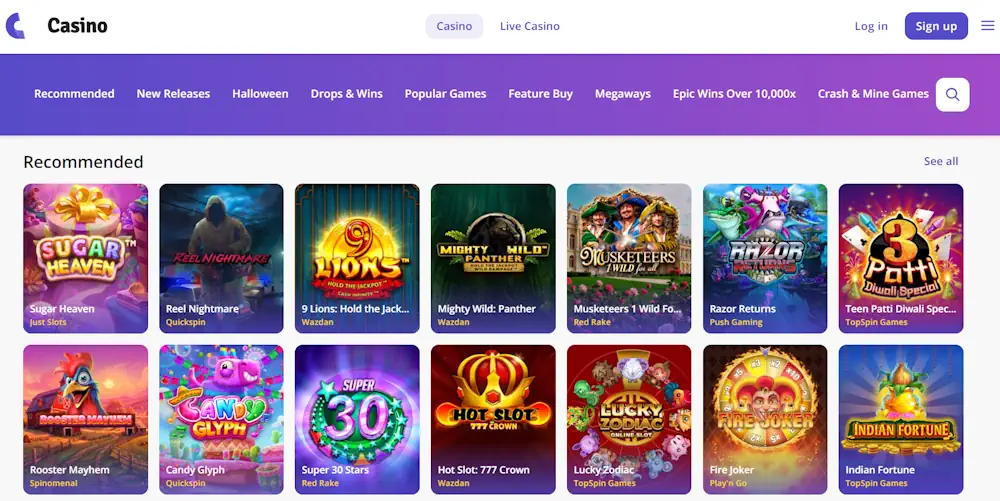
Brand/Provider Comparison Table: Turnkey Casino Platform Development Options and iGaming Software Providers
When clients compare iGaming platform development options, I tell them to judge by proof, not promises. I track real delivery times, game coverage, and what you actually get in the repo on day one. Ask each iGaming software provider for a staging URL and API sandbox before signing.
FAQ
Which modules are mandatory in a casino software solution?
You need a game gateway, wallet, and casino management system plus CRM. In my builds, adding a clean casino backend system early prevents expensive rework later.
How do I keep scalable casino backend software stable under load?
I’ve had best results with idempotent transaction APIs, stateless services, and strong state storage. That keeps bets consistent when traffic spikes.
What should I expect from an online casino turnkey platform?
Expect staging access, ready wallet flows, and a working admin panel. I look for real game integration and clear ownership of deployment tasks.
Do white label casino platform and white label igaming solution differ?
Yes—resellers must confirm the igaming backend software workflow and payment integration are truly separated. Otherwise, “white label” becomes fragile in practice.
Which integrations matter most in iGaming backend software?
Payments, wallets, and secure transaction APIs are the core. I also prioritize payment integration for online casinos with idempotency keys on every wallet call.
What makes compliance-ready casino software actually pass reviews?
I focus on security controls, risk controls, and audit logs that can’t be altered. That’s what regulators and auditors ask to see.


Recent Comments