
 Listen to this article
Understanding Smart Home Security Systems
Last updated: October 2023
Did you know that homes without security systems are up to 300% more likely to be broken into? This startling statistic underscores the importance of installing a reliable smart home security system. Smart home security systems are integrated solutions that utilize advanced technologies to enhance the safety and security of your home. As we move into 2026, the landscape of home security is evolving rapidly, integrating advanced technologies that promise greater safety, convenience, and peace of mind. In this guide, we’ll explore the key features, benefits, and challenges of smart home security systems, helping you make an informed decision for your home or business.
Key Takeaways
- Smart home security systems significantly reduce the likelihood of break-ins.
- Key features include surveillance cameras, motion detectors, smart locks, and alarm systems.
- Benefits include enhanced safety, remote monitoring, and energy efficiency.
What Are the Key Features of Smart Home Security Systems?
Surveillance Cameras
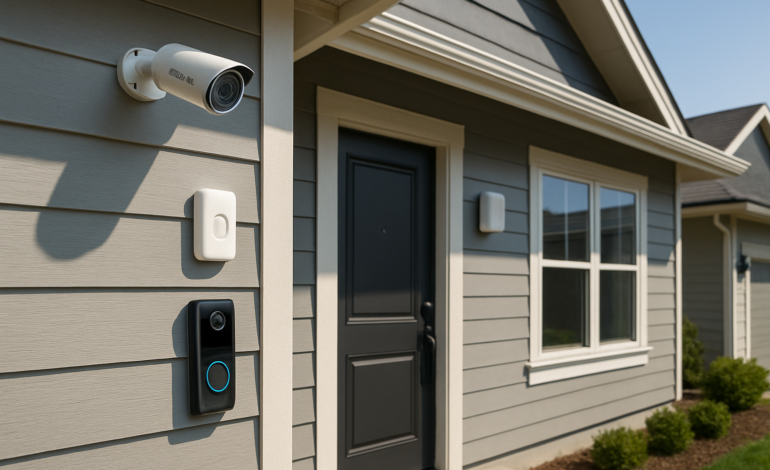
Surveillance cameras are the backbone of any smart home security system. They offer real-time monitoring and can deter potential intruders. Modern home security cameras come equipped with high-definition video, night vision, and motion detection capabilities. Some advanced models even offer facial recognition technology, allowing you to identify familiar faces and receive alerts when an unknown person is detected. For more on the latest camera technologies, see this study on smart surveillance systems.
Motion Detectors
Motion detectors are essential for detecting unauthorized movement within your property. These sensors can trigger alarms, send notifications, and even activate security cameras to start recording. With advancements in technology, today’s motion detectors are more accurate, minimizing false alarms caused by pets or environmental factors.
Smart Locks
Smart locks provide an extra layer of security and convenience. They allow you to lock and unlock doors remotely, grant temporary access to guests, and monitor entry logs. Integrating smart locks with your home security system enhances control and peace of mind, ensuring that only authorized individuals can access your home.
Alarm Systems
A robust alarm system is crucial for alerting you and the authorities in case of a security breach. Smart home alarm systems can be customized to suit your specific needs, whether it’s a loud siren to scare off intruders or a silent alarm to notify emergency services discreetly.
What Are the Benefits of Smart Home Security Systems?
Enhanced Safety
Smart home security systems offer enhanced safety by providing real-time alerts and the ability to monitor your home from anywhere. This constant vigilance helps deter criminal activity and provides a quick response when needed.
Remote Monitoring
With remote monitoring, you can keep an eye on your property no matter where you are. Whether you’re at work, on vacation, or simply running errands, you can access live feeds from your home security cameras and receive notifications of any unusual activity.
Energy Efficiency
Smart security systems contribute to energy efficiency by integrating with other smart home devices. For example, motion detectors can trigger lights to turn on and off automatically, reducing energy consumption when rooms are unoccupied.
How to Choose the Right Smart Home Security System?
Assessing Your Security Needs
Before selecting a security system, assess your specific needs. Consider the size of your property, the number of entry points, and any unique security challenges you might face. This assessment will help you determine the type and number of devices required for optimal protection.
Budget Considerations
Budget is a significant factor when choosing a smart home security system. It’s important to weigh the initial installation costs against potential monthly subscription fees for professional monitoring. Some systems offer DIY installation options to reduce costs, while others require professional setup. According to a report by Statista, the average cost of a smart home security system ranges from $200 to $1,500.
Compatibility with Other Smart Devices
Ensure that your chosen security system is compatible with other smart devices in your home. This compatibility allows for seamless integration, enhancing the overall functionality and convenience of your smart home ecosystem.
How to Install and Maintain Smart Home Security Systems?
DIY Installation vs. Professional Installation
Deciding between DIY installation and professional installation depends on your technical skills and budget. DIY installation can save money but may require more time and effort. Professional installation ensures that your system is set up correctly and functions as intended.
Regular Maintenance Tips
Regular maintenance is crucial for the longevity and effectiveness of your security system. Perform routine checks on batteries, update software regularly, and clean camera lenses to ensure optimal performance.
What Are the Latest Trends in Smart Home Security for 2026?
AI and Machine Learning Integration
AI and machine learning are transforming smart home security systems. These technologies enable systems to learn user behavior, predict potential security threats, and offer personalized security solutions. For an in-depth analysis, refer to this research on AI in home security.
Improved Cybersecurity Measures
As smart home devices become more connected, cybersecurity is a growing concern. Enhanced security protocols and encryption methods are being implemented to protect user data and prevent unauthorized access.
Voice Control and Automation
Voice control and automation are becoming standard features in smart home security systems. These technologies allow users to control devices with simple voice commands and automate routine security tasks, enhancing user experience and convenience.
What Are the Common Challenges and Solutions?
Privacy Concerns
Privacy concerns are a significant challenge in smart home security. To address this, ensure that your system uses secure encryption protocols and regularly update passwords to safeguard your personal information.
Technical Issues
Technical issues, such as connectivity problems or device malfunctions, can compromise your security system’s effectiveness. Regular maintenance and prompt troubleshooting can help mitigate these issues.
Cost Management
Managing the costs associated with smart home security systems can be challenging. Consider systems with no monthly fees or those that offer flexible subscription plans to better manage your budget. For more information on cost-effective options, check out this guide on the best smart home security systems with no monthly fee.
FAQ
What is the best smart home security system for 2026?
The best smart home security system varies based on individual needs. However, systems like Vivint, ADT, and SimpliSafe are highly recommended for their comprehensive features and reliable service.
Why choose a wireless security system over a wired one?
Wireless security systems offer easier installation and greater flexibility in device placement. They are ideal for renters and those who may move frequently, as they don’t require permanent alterations to the property.
Is smart home security worth the investment?
Yes, investing in a smart home security system enhances safety, offers peace of mind, and can potentially lower homeowner’s insurance premiums. It’s a valuable investment in protecting your property and loved ones.
How can I ensure my smart home security system protects my privacy?
To protect your privacy, choose systems with strong encryption, regularly update passwords, and stay informed about the latest cybersecurity practices.
What maintenance does a smart home security system require?
Regular maintenance includes checking device batteries, updating software, and cleaning camera lenses to ensure optimal performance and reliability.
In conclusion, smart home security systems in 2026 offer advanced features and benefits that cater to various security needs. By understanding the key components, assessing your requirements, and staying informed about the latest trends, you can select the best smart security system to protect your home and loved ones. For more detailed insights and expert reviews, visit this comprehensive guide on smart home security systems.
Written by Emily Carter, Senior Home Security Consultant at Residential Security — 12 years of experience.




Recent Comments